

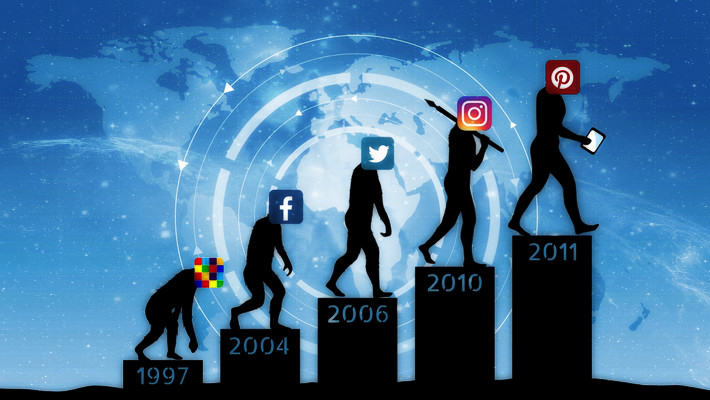
In the constantly evolving digital ecosystem, social media has transcended its role as a mere platform for connection. It has become a sophisticated network of real-time storytelling, data-driven engagement, and brand-building opportunities. The modern social landscape demands a deeper understanding of audience behavior, algorithmic dynamics, and experience-driven strategy — far beyond the basics of posting and promoting.
Rethinking the Role of Social Media in 2025
From Communication Channel to Experience Hub
Social media is no longer just a communication channel — it is now an experience hub. Users interact not simply to consume information, but to participate, co-create, and influence. Forward-thinking brands are leveraging this shift to design immersive experiences using augmented reality (AR), user-generated content (UGC), and personalized storytelling. The emphasis has shifted from “reach” to relatability, where emotional resonance drives conversions more than visibility metrics ever could.
Performance Over Presence
The traditional goal of gaining followers or likes has lost its significance. The focus has now turned toward performance marketing, where social media plays an integral role in driving measurable business outcomes. Every campaign is evaluated in terms of its contribution to customer acquisition, retention, and lifetime value (CLV). High-performing brands are using advanced analytics to understand not just who is engaging, but why and how that engagement translates into tangible ROI.
The Rise of Micro-Communities
The age of mass social broadcasting is fading. Instead, micro-communities — small, niche groups united by shared interests or values — are becoming the new power centers of social influence. Platforms like Discord, Telegram, and niche Facebook or LinkedIn groups enable brands to create intimate ecosystems that foster deeper loyalty and sustained interaction. The future of social media is not about reaching everyone, but about engaging the right ones meaningfully.
Advanced Social Media Strategies for Modern Brands
1. Data-Driven Creativity: Merging Analytics with Artistry
Data is no longer just for optimization — it is a catalyst for creativity. Brands are using AI-powered analytics to identify behavioral patterns, content triggers, and emotional hotspots. By merging this data with storytelling, marketers can craft hyper-relevant campaigns that connect on both emotional and psychological levels. For instance, predictive AI tools can now suggest not just what content to post, but how to frame it for maximum engagement.
2. Social Media as a Testing Ground for Innovation
Social media is the most agile marketing lab available. It allows rapid experimentation with message positioning, visual identity, and audience tone before scaling across paid and owned media. Smart marketers treat each platform as a real-time testing environment, running controlled A/B creative tests to gauge resonance. TikTok, for example, has become an innovation incubator where content trends often shape broader marketing strategies.
3. The Power of Temporal Relevance (Micro-Virality)
Viral success today is not about long-term visibility but about micro-virality — short bursts of attention that can create significant momentum when timed strategically. Brands mastering this technique are quick to jump on cultural moments, trends, and memes that align with their ethos. The key lies in real-time relevance: the ability to respond instantly with contextually intelligent content that feels organic, not opportunistic.
4. Authenticity Engineering: Designing for Trust
In a saturated environment filled with AI-generated visuals and influencer saturation, authenticity has become both rare and valuable. Leading brands are now investing in authenticity engineering — the deliberate crafting of trust-driven narratives that blend transparency, vulnerability, and relatability. Sharing behind-the-scenes content, highlighting failures, and celebrating unscripted customer moments all contribute to credibility.
5. Decentralized Influence and the Future of Creator Economy
The creator economy is decentralizing influence. Instead of depending solely on mega-influencers, brands are tapping into micro and nano-influencers who bring higher engagement and niche credibility. This approach enhances relatability while minimizing costs. Additionally, blockchain-backed creator contracts are starting to empower influencers with content ownership rights, reshaping brand-collaboration ethics in the process.
6. AI-Powered Personalization and Predictive Engagement
AI tools are now integral to scaling personalized social interactions. From automated sentiment analysis to predictive engagement forecasting, machine learning helps identify what type of content resonates with which segment — and at what time. Brands using AI personalization at scale are reporting significant boosts in engagement, conversion, and retention metrics. The secret is to let AI inform, not replace, human creativity.
7. Ephemeral Content and the Psychology of FOMO
The temporary nature of ephemeral content — like Instagram Stories or Snapchat Snaps — taps into the fear of missing out (FOMO) and drives immediate action. Because these posts disappear quickly, users engage more impulsively. Forward-thinking marketers are using this urgency to promote flash sales, event teasers, and behind-the-scenes moments, making content consumption feel both exclusive and time-sensitive.
8. Integrating Social Commerce Seamlessly
Social media has become the new storefront. Platforms like Instagram, TikTok, and Pinterest now support direct shopping experiences within the app. Successful brands aren’t just selling products; they’re building narrative-driven commerce, where storytelling and convenience merge. Live-stream shopping events, AR product trials, and personalized recommendations are setting the new standard for frictionless conversion journeys.
Building the Next-Gen Social Media Team
Modern social media teams are hybrids — part data scientists, part storytellers, and part cultural analysts. The most successful brands are reorganizing their teams into pods or squads focused on specific audience clusters or campaign goals. This cross-functional model improves agility, creativity, and alignment between social strategy and overall brand objectives.
Investing in AI-integrated dashboards, collaborative content tools, and real-time analytics platforms is now non-negotiable. These systems empower teams to make fast, informed decisions while maintaining creative freedom.
Measuring What Really Matters
The metrics that truly define success in 2025 aren’t vanity numbers. Instead, the emphasis should be on:
-
Share of conversation within target communities
-
Sentiment analysis trends indicating brand health
-
Conversion efficiency from social engagement to action
-
Audience retention and return interaction rates
-
Creative velocity, measuring how fast teams can ideate, produce, and adapt content
By aligning KPIs with long-term brand equity rather than short-term metrics, social media becomes a sustainable growth engine rather than a cost center.
The Future Outlook: From Platforms to Ecosystems
The next era of social media will be platform-agnostic. Users won’t care where the conversation happens — only that it’s meaningful, immersive, and personalized. With the growing integration of AI, AR, and Web3 technologies, social media is evolving from being a marketing channel to becoming a complete brand experience layer.
Brands that adapt early to this convergence — blending creativity, data, and authenticity — will dominate the digital cultural narrative.
Frequently Asked Questions (FAQs)
1. What is the biggest challenge facing advanced social media strategies today?
Balancing creativity and data-driven precision remains the toughest challenge. Overreliance on analytics can make content formulaic, while ignoring data can waste potential.
2. How can AI improve content creation on social media?
AI assists by identifying high-performing formats, predicting engagement trends, and even generating tailored creative prompts. It enhances speed and relevance without replacing human intuition.
3. Are micro-communities really more valuable than mass audiences?
Yes. Micro-communities offer higher engagement and loyalty. While their reach is smaller, their influence and conversion potential are significantly greater.
4. How does authenticity impact brand growth on social platforms?
Authentic storytelling builds emotional trust, leading to stronger long-term relationships and improved brand advocacy.
5. What metrics are most important in 2025 social strategy?
Focus on conversation share, retention, conversion, and sentiment quality rather than likes or impressions.
6. How is AR/VR shaping social engagement?
Immersive technologies are creating interactive experiences, allowing users to “live” the brand story — from virtual showrooms to digital fashion try-ons.
7. What’s the future of influencer marketing?
Influencer marketing is moving toward decentralization, where small, authentic voices drive stronger impact than celebrity endorsements.