

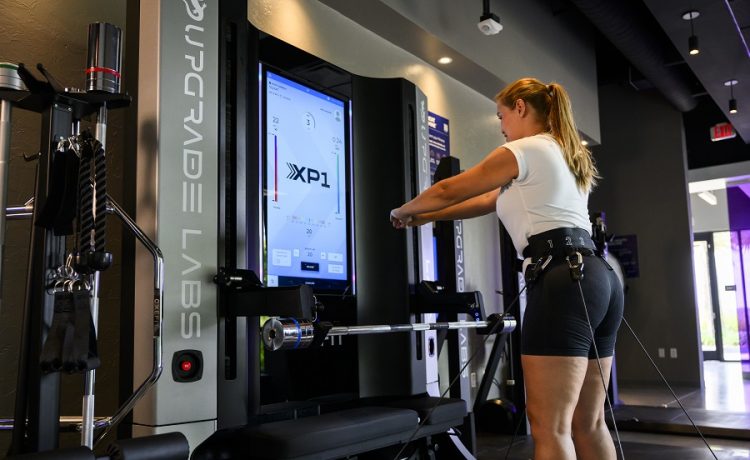
Smart strength equipment can record loads, repetitions, range of motion, repetition speed and session history. These features reduce manual logging, but automatic collection does not guarantee that the resulting data is useful.
Inside a technology-enabled gym singapore facility, data improves progressive overload only when it represents consistent exercises performed under consistent conditions. Otherwise, a precise-looking dashboard may simply document incomparable sessions.
Define Progressive Overload Correctly
Progressive overload means increasing the training demand over time as the body adapts. It can involve more load, additional repetitions, improved range, greater control or more work completed within an appropriate period.
It does not require increasing weight every session. Performance fluctuates with sleep, nutrition, work stress and accumulated fatigue, so progression should be judged over a meaningful series of workouts.
Smart equipment is valuable when it makes that series easier to examine. It is less useful when it encourages constant changes in pursuit of immediate numerical rewards.
Data Quality Begins With Setup
A machine can record repetitions accurately while missing changes in seat height, backrest position or body alignment. Those changes may affect leverage and make performance comparisons unreliable.
Use the same setup whenever possible. If the system allows personal settings to be saved, verify them rather than assuming the previous configuration remains correct.
Range of motion should also be standardised. Twelve short repetitions should not automatically be interpreted as progress over ten controlled full-range repetitions.
Repetition Counting Needs Context
Automatic repetition detection can reduce logging effort, especially during multi-set sessions. However, partial movements, pauses and rapid changes of direction may be interpreted differently by each system.
Review unexpected results instead of accepting them blindly. If the display records ten repetitions when only eight met the chosen standard, the training log should reflect the meaningful performance.
Technology should support judgement, not replace it. The trainee remains responsible for deciding what qualifies as a completed repetition.
Load Numbers Are Machine-Specific
Two machines displaying the same weight can feel different because of pulley arrangements, lever arms, friction and resistance profiles. Software cannot make those loads universally comparable.
Treat each equipment model as a separate exercise. Progress should be measured against previous sessions on the same machine with the same setup.
When equipment is replaced or a different location is used, establish a new baseline. Attempting to match the previous display immediately can lead to unsuitable loading.
Velocity Can Reveal Fatigue
Some smart systems estimate repetition speed. A consistent decline within a set can indicate increasing fatigue, while an unusually slow opening repetition may suggest poor readiness or an overly ambitious load.
Velocity is most useful when exercise technique and movement intent remain stable. A deliberately slower lowering phase or longer pause will change the result even if strength has not declined.
Rather than reacting to one repetition, examine patterns. Repeatedly slower sessions at familiar loads may justify reviewing recovery or programme volume.
Range Data Can Improve Execution
Range-of-motion feedback can help identify shortened repetitions that appear as fatigue develops. This is especially useful when the trainee cannot easily see the movement.
The system’s target range still needs to match the individual and the exercise. Anatomical differences, injuries and professional recommendations may require an adjusted range.
More range is not automatically better in every situation. The useful objective is a consistent, appropriate movement that can be loaded progressively.
Use Data to Select the Next Load
Smart equipment may recommend a load based on previous performance. Treat this as a proposal, not an instruction.
The recommendation may not account fully for a difficult workday, another class or a change in exercise order. A load that was suitable when the movement appeared first may be inappropriate when it appears near the end of a session.
Compare the recommendation with the planned repetition range and effort target. Adjusting the load to preserve the intended stimulus is a valid training decision.
Combine Objective and Subjective Records
Numbers show what happened, while subjective notes help explain why. Recording estimated repetitions in reserve, discomfort, sleep quality or unusual fatigue adds context to automated data.
Keep the notes concise. A few relevant observations are more valuable than a detailed diary that becomes impossible to maintain.
Members using smart equipment at TFX Singapore can review both performance trends and personal notes before changing a programme. This helps distinguish a genuine plateau from a temporary recovery issue.
Avoid Dashboard-Driven Training
Digital systems often reward streaks, records and increasing totals. These features can support consistency, but they can also encourage unnecessary volume or poorly timed personal records.
A higher workload is useful only if it can be recovered from and repeated. Chasing a weekly tonnage badge may lead to extra low-quality sets that do not support the programme’s objective.
The dashboard should report the plan, not create it. Training decisions should remain tied to the desired adaptation.
Detect Plateaus More Accurately
A plateau is not one session without improvement. It is a sustained lack of progress under reasonably consistent conditions.
Smart records make it easier to compare several weeks of loads, repetitions and execution. If performance is stable but range and control are improving, progress may still be occurring.
If every relevant measure is unchanged, consider whether the exercise needs more volume, a different repetition range or improved recovery. Changing equipment immediately may hide the plateau rather than solve it.
Preserve Manual Backup Skills
Automatic systems may be unavailable, fail to sync or record a session incorrectly. Trainees should still know how to record basic performance manually.
A simple backup includes the exercise, equipment, setup, load, repetitions and effort estimate. This is enough to preserve continuity when technology fails.
Manual competence also improves critical thinking. It prevents the trainee from becoming dependent on proprietary scores that may not explain how they are calculated.
Consider Data Privacy
Connected equipment may store personal profiles, training histories and account information. Users should understand what information is collected and how account access is protected.
Use strong, unique passwords where accounts are required and review available privacy settings. Avoid entering unnecessary sensitive information into optional fields.
Shared screens also deserve attention. Log out when appropriate and check that personal results are not left visible to the next user.
Review Trends at Planned Intervals
Constantly checking every metric can produce reactive decisions. A weekly or fortnightly review is often more useful than analysing the dashboard between sets.
Look for trends in load, repetitions, range, speed and estimated effort. Then decide whether the current programme should continue or whether one variable needs adjustment.
Frequent programme changes destroy the consistency needed for useful data. Measurement improves decisions only when the underlying training remains stable long enough to interpret.
Let Technology Reduce Friction
The strongest case for smart equipment is convenience. Automatic setup, session recall and reliable logging can reduce the mental work required to begin training.
That convenience creates more attention for execution, effort and recovery. It can also make structured progression accessible during short sessions when manual recording feels disruptive.
Smart equipment improves progressive overload when it captures comparable work, highlights meaningful trends and supports better load decisions. It becomes a distraction when precise numbers are mistaken for complete understanding.
The final judgement still belongs to the trainee and coach. Technology can show patterns clearly, but effective progression requires context, consistent technique and a programme worth measuring.